

Can you put all types of cardboard in a baler?
If you want to know what kind of cardboard should be put into a baler for recycling, read this guide.
Flexible solutions for cardboard waste
Businesses that produce large amounts of cardboard waste invest in balers because they enable more efficient waste management while supporting environmentally friendly recycling. Industries such as manufacturing, restaurants, retail, hospitals, schools, and printing frequently use cardboard balers.
Cardboard comes in many different varieties. Regardless of shape, size, or intended use, cardboard balers are incredibly versatile and can compress many types of cardboard. Common materials that can be placed in a baler include complete boxes, plates, sheets, tubes, fibreboard, and paperboard.
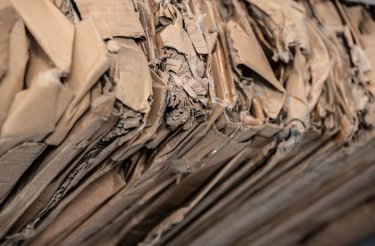
Cardboard balers are incredibly versatile and can compress a wide variety of cardboard types. However, certain steps should be taken to ensure optimal recyclability.
Why you should recycle cardboard
Cardboard is a valuable, high-quality material that should be recycled. Over time, recycling cardboard can even become a reliable source of income, as many businesses are willing to pay for recyclable cardboard waste.
Although balers can compress contaminated, damp, or laminated cardboard, these materials may not be accepted by recyclers.
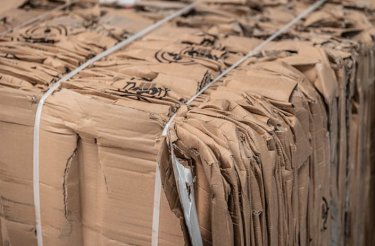
When in doubt, follow these simple guidelines:
- Maintain consistency: Although different types of cardboard can be combined, recyclers generally prefer bales made primarily from the same type of cardboard.
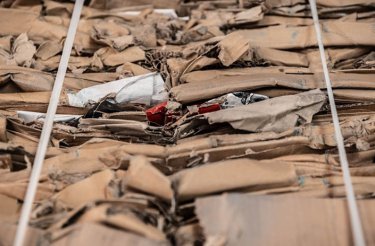
- Avoid contamination: Cardboard that has been contaminated by direct contact with food may not be suitable for recycling.
- Remove non-cardboard materials: Plastic components, decorative elements, and laminated coatings can reduce the recycling value of a cardboard bale.
Have questions? We’re here to help!
Discover how Mil-tek New Zealand can help your business save time, space, and money through smarter waste management.
Contact our local experts today to find the right solution for your business.