three hydraulic balers on line

Hydraulic Balers for Heavy-Duty Waste Compaction

Powerful Hydraulic Compaction

Up to 60 tonnes of pressing force and bale weights of up to 520 kg, depending on the model and material.

More Than Cardboard & Plastic

Compact cardboard, plastic film, PET and other suitable materials, including certain rigid plastics and foam, depending on the model.

Built for High Waste Volumes

Designed for demanding waste handling in manufacturing, logistics, warehouses and industrial environments.

Less Space, Fewer Collections

Dense, compact bales help reduce storage space and may lower waste collection frequency, depending on your waste volumes.

Why Choose a Hydraulic Baler?

  • Powerful Compaction With pressing forces of up to 60 tonnes, Mil-tek hydraulic balers are designed to handle demanding waste compaction tasks.
  • Versatile Material Handling Compact cardboard, plastic film, rigid plastics, PET bottles and other suitable materials, depending on the baler model.
  • Large, Dense Bales Produce bales weighing up to 520 kg, depending on the material and model. Selected machines produce pallet-sized bales for easier handling and transport.
  • Built for High-Volume Operations Designed for businesses handling large waste volumes, including manufacturing, logistics, warehousing and industrial environments.
  • Durable, Long-Term Performance Robust construction and regular maintenance help support reliable operation and a long service life.

For businesses handling large waste volumes, a hydraulic baler can help reduce storage space, simplify waste handling and potentially lower collection costs. Dense, compact bales may also be suitable for recycling or resale, depending on the material and local recycling arrangements.

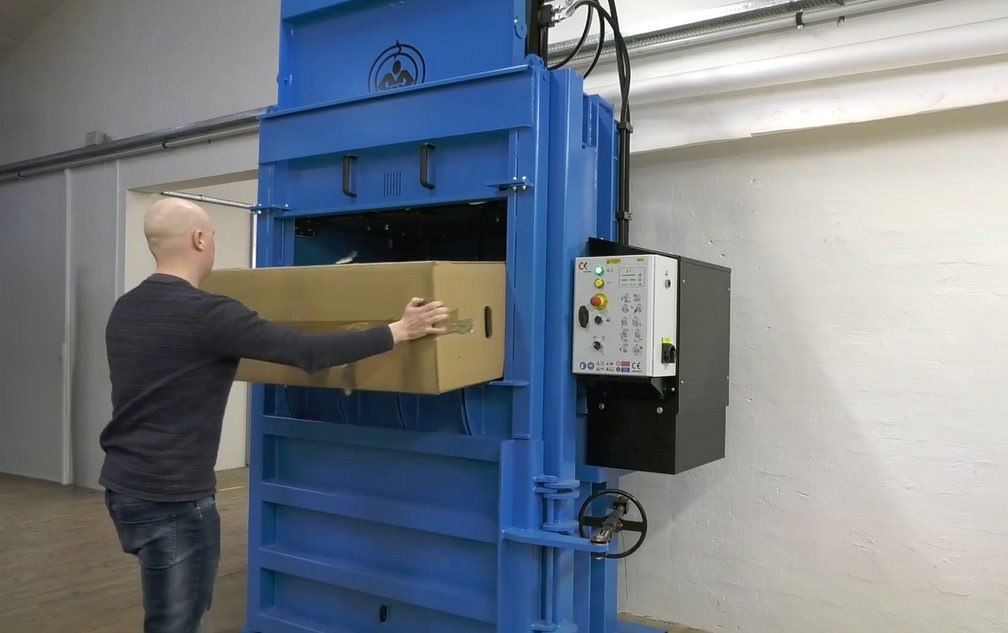
Mil-tek hydraulic baler for high-volume cardboard and plastic waste compaction

3 Popular Hydraulic Balers

Mil-tek offers hydraulic balers in a range of sizes to suit different waste volumes, materials and available space. Explore three popular models below.

Mil-tek 50SD hydraulic baler for pallet-sized cardboard and plastic bales

Mil-tek 50SD

A powerful mill-size hydraulic baler producing dense, pallet-sized bales for efficient storage, handling and transport.

  • Bale weights up to 520 kg
  • Automatic door opening and bale ejection
  • Pressing cycle: 55 seconds
  • Adjustable pressing force
Mil-tek H501 mill-size hydraulic baler for cardboard and plastic waste

Mil-tek H501

A mill-size hydraulic baler with a wide loading door and deep chamber, designed for handling large cardboard boxes and bulky recyclable waste.

  • Bale weights up to 450 kg
  • Manual door opening and automatic bale ejection
  • Pressing cycle: 40 seconds
  • Bales fit on a standard pallet
Mil-tek H600 mill-size hydraulic baler for high-volume waste compaction

Mil-tek H600

An efficient mill-size hydraulic baler with a low overall height and wide loading door for convenient, high-volume waste compaction.

  • Bale weights up to 500 kg
  • Automatic door opening and bale ejection
  • Pressing cycle: 36 seconds
  • Low overall height: 2.17 m

Compare all hydraulic baler models below

Hydraulic Baler Specifications

Compare Mil-tek hydraulic balers by pressing force, bale size, bale weight and floor space requirements. Use the table below to find a model that suits your waste volumes and available space.

Model Pressing Force Bale Size Bale Weight Operation Footprint
H600 Up to 60 tonnes Mill-size bales Cardboard: up to 450 kg
Plastic: up to 500 kg
Hydraulic Approx. 2.65 m²
H501 Up to 50 tonnes Mill-size bales Cardboard: up to 400 kg
Plastic: up to 450 kg
Hydraulic Approx. 2.08 m²
50SD 50 tonnes Mill-size bales Cardboard: up to 500 kg
Plastic: up to 520 kg
Hydraulic Approx. 2.08 m²

Bale weights are indicative maximum values and may vary depending on material type, density and operating conditions. Footprint figures are approximate.

Hydraulic Baler Installation & Space Requirements

Mil-tek hydraulic balers deliver powerful waste compaction but typically require more space than pneumatic models.

  • Floor space: Approximately 2–2.7 m², depending on the model.
  • Ceiling height: Up to 3.16 m of machine height.
  • Power supply: An electric motor powers the hydraulic system, requiring a suitable electrical connection.
  • Installation: Floor anchoring may be recommended for larger models.
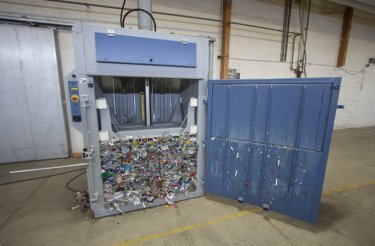
hydraulic baler with a pet bale inside

Hydraulic Baler Maintenance & Servicing

Regular maintenance helps keep your Mil-tek hydraulic baler operating efficiently and reliably.

  • Hydraulic oil: Check and replace oil according to the manufacturer’s recommendations and operating conditions.
  • Routine inspections: Check hoses, filters and hydraulic components for wear and leaks.
  • Preventive servicing: Scheduled maintenance helps reduce unexpected breakdowns and downtime.
  • Long service life: Proper care and regular servicing support reliable, long-term performance.
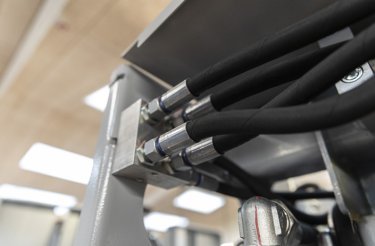
hydraulic baler hoses

How Much Does a Hydraulic Baler Cost?

The cost of a hydraulic baler depends on the model, pressing capacity and your waste handling requirements. While hydraulic balers typically involve a higher initial investment than smaller pneumatic or electric models, they can offer long-term value for businesses managing large volumes of cardboard, plastic and other suitable recyclable materials.

Purchase

Full ownership and long-term control over your waste handling equipment.

What's Included:

Own a hydraulic baler suited to your business, with the flexibility to use it over many years with appropriate maintenance.

Best Suited For:

Businesses with consistent, high waste volumes looking for a long-term waste compaction solution.

Key Benefit:

Spread the investment over the equipment's service life while potentially reducing storage requirements and waste collection costs.

Request a Quote

Rental

A flexible alternative with potentially lower upfront costs.

What's Included:

Depending on local availability, rental arrangements may provide access to a hydraulic baler without purchasing the equipment outright.

Best Suited For:

Businesses seeking flexibility, managing changing waste volumes or preferring to avoid a large initial purchase.

Key Benefit:

Lower initial capital requirements and greater flexibility, subject to the rental terms and equipment availability.

Explore Rental Options

Hydraulic vs. Electric vs. Pneumatic Balers

Hydraulic balers deliver powerful compaction for high-volume industrial waste and heavy-duty applications.

Electric balers are ideal for retail stores, offices and smaller warehouses where quiet operation, energy efficiency and easy installation matter.

Pneumatic balers are well suited to manufacturing facilities with an existing compressed air supply, offering efficient waste handling and fast operation.

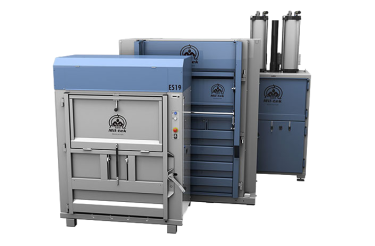
three different hydraulic balers
Baler Type Best Suited For Advantages Considerations Price Range
Hydraulic Baler High-volume industrial waste High pressing force and large, dense bales Greater space requirements and hydraulic maintenance Higher
Pneumatic Baler Manufacturing facilities with compressed air Efficient operation and straightforward maintenance Requires a suitable compressed air supply Low to Medium
Electric Baler Retail stores, offices and smaller warehouses Quiet operation and energy-efficient compaction Capacity and pressing force vary by model Low to Medium

For businesses handling large volumes of industrial waste, a hydraulic baler can provide powerful, efficient compaction and help reduce waste handling requirements. Contact Mil-tek New Zealand to find the right baler for your business.

Frequently Asked Questions

  • The price of a hydraulic baler depends on the model, pressing force and capacity. Hydraulic balers typically require a higher initial investment than smaller electric or pneumatic models but can offer long-term value through efficient waste compaction and potentially fewer waste collections. Contact Mil-tek New Zealand for a tailored quote.

  • Hydraulic balers require regular maintenance, including hydraulic oil checks, filter inspections and monitoring of hoses and other components. Service intervals depend on the model and operating conditions. Preventive maintenance helps maintain performance and reduce unexpected downtime.

  • Hydraulic balers are ideal for businesses handling large volumes of recyclable waste or requiring high pressing force and heavy bales. Electric balers are often suitable for smaller facilities, while pneumatic balers are a practical choice where compressed air is already available.

  • Mil-tek hydraulic balers typically require approximately 2–2.7 m² of floor space, depending on the model. Sufficient ceiling height and working space are also essential. Check the specifications of your chosen model before installation.

  • Yes. Depending on the model, hydraulic balers can compact cardboard, plastic film and other suitable recyclable materials. Different materials should generally be baled separately to maintain bale quality and support recycling.

  • The right hydraulic baler depends on your daily waste volume, material type, available space and required bale size. Businesses handling larger or denser waste streams may benefit from higher pressing force. Mil-tek can help you compare models and select a suitable solution.

  • Hydraulic balers use an electric motor to power the hydraulic system. Many industrial models require a three-phase electrical supply, although exact requirements vary. Always check the electrical specifications before installation.

  • Cycle times vary by model. Mil-tek hydraulic balers such as the H501, H600 and 50SD have indicative cycle times of approximately 36–55 seconds, based on the model specifications used in this comparison. The cycle time affects how quickly materials can be compacted.

  • Mil-tek hydraulic balers can produce heavy, dense bales, with certain models offering bale weights of up to approximately 520 kg. Actual bale weight depends on the machine, material type and compaction conditions. Heavier bales can make storage, handling and transport more efficient.

  • Hydraulic balers are commonly used for cardboard and plastic waste. Some models can also handle other recyclable materials, depending on their design and specifications. Always confirm material compatibility before selecting a machine.

  • Mil-tek New Zealand provides information about baler and compactor rental options. Availability of individual hydraulic baler models and rental terms should be confirmed directly with the local team.

  • A hydraulic baler can reduce the volume of loose recyclable waste by compressing it into dense bales. This may reduce collection frequency, improve storage efficiency and lower handling costs. Actual savings depend on waste volumes, collection arrangements and local recycling options.

Injecting Inline Script

Find the Right Hydraulic Baler

Contact us below for expert advice or a no-obligation quote.